Culture · 8 min read
The Three Lions: A History of the England Shirt
From the 1966 cotton crewneck to the 2026 Nike release — every major iteration of England's home shirt, ranked.
Futbol Shop Editorial · February 12, 2026
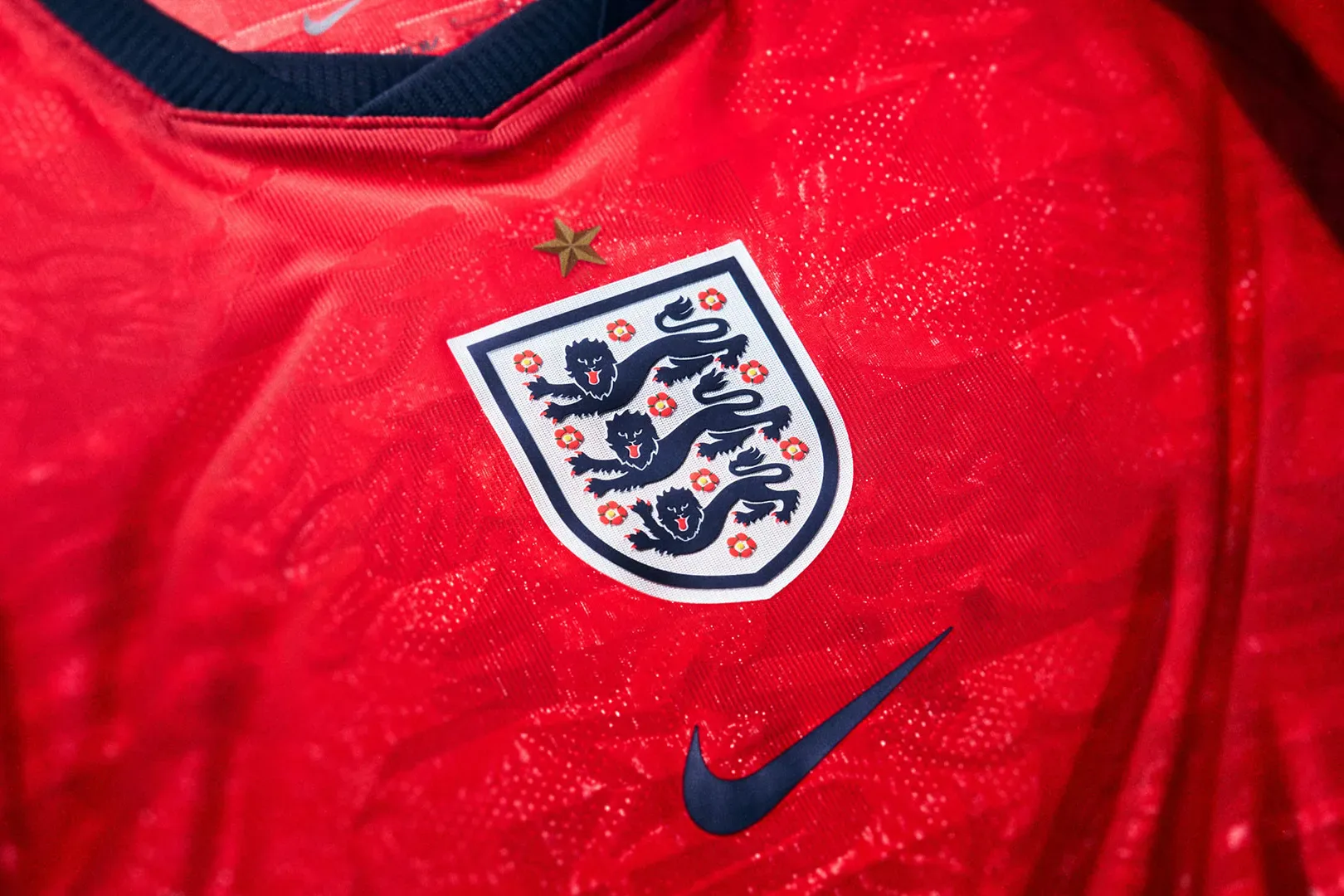
The England home shirt is a study in how one of football's most conservative federations has slowly negotiated its relationship with design. For most of its history the shirt was simple to the point of severity — white, with a navy collar and a small lion crest on the chest. The variations were minor, the manufacturer changes infrequent. Then, somewhere in the early 1990s, England started experimenting, and the shirt has been on a forty-year journey of cautious reinvention ever since.
1966 — the World Cup classic
Manufactured by Umbro in a heavyweight cotton crewneck, the 1966 shirt is the platonic ideal of an England jersey. Pure white, navy collar, three lions on the chest. Bobby Moore lifted the World Cup wearing it, and the image is so embedded in English football iconography that every subsequent shirt has had to define itself against it.
1982 — the Admiral pinstripe
Admiral's tenure as England manufacturer produced the shirt's first real break from tradition: red and blue pinstripes running down the front, a v-neck collar, and a more relaxed cut. It was controversial at the time and has since become one of the most beloved retro designs in the country's history.
1990 — the Italia '90 home
Umbro returned for Italia '90 with what many consider the most beautiful England shirt ever made. The base is white with subtle blue and red diamond patterning across the body. The collar is a classic crewneck. Gazza wore it, the country fell in love with the team, and the shirt has been reissued multiple times — most recently as part of Umbro's anniversary collection.
1996 — Euro '96
A subtle blue gradient across the front, navy shorts, and a cleaner crest treatment than the 1990 version. The shirt is associated with the Three Lions football anthem, the Gascoigne dentist's chair celebration against Scotland, and the heartbreak of the semifinal penalty shootout against Germany. Cultural weight aside, it's a strong design — restrained but distinctively 90s.
2003 — the Beckham era
Umbro's early-2000s shirts featured a deeper navy trim and a slimmer fit than the 90s designs. The 2003 home shirt is most associated with David Beckham's free-kick against Greece — a moment that, more than any single match result, cemented the shirt's commercial profile globally.
2018 — the Nike era opens with restraint
Nike's first England home shirt was deliberately understated — pure white, a thin navy crewneck collar, and a small Three Lions crest. After two cycles of more experimental Umbro designs, the simplicity felt like a deliberate reset. It became one of Nike's best-selling international shirts.
2022 — the divisive blue collar
Nike pushed the design further with a navy-and-pale-blue collar treatment that drew immediate criticism from traditionalists. Whether you loved or loathed it, the shirt photographed beautifully and remains one of the more visually distinctive recent releases.
2026 — the World Cup return
The 2026 shirt is Nike's most confident England design to date. Crisp white base, a tonal Three Lions pattern across the chest visible only in certain light, and a clean v-neck collar with a thin red trim. The fit has been refined from 2022 — the shoulders sit cleaner and the hem drops slightly longer. It's the shirt that finally feels like it has resolved the long-running tension between heritage and modernity that has shaped English design for forty years.
Whichever era you collect from, the England home shirt remains one of football's most consistently strong design lineages — a federation that has, despite occasional missteps, mostly trusted its visual identity and let the football do the talking.