World Cup · 10 min read
World Cup 2026 Host Cities: A Travel Primer
Sixteen cities, three countries, one tournament. Here's what to know about the venues, jerseys, and atmospheres you'll encounter.
Futbol Shop Editorial · April 2, 2026

FIFA's expanded 48-team format spans the United States, Mexico, and Canada — sixteen cities in total, more than a hundred matches, and the largest geographic footprint of any World Cup ever staged. If you're planning to follow your team across borders, the logistics matter as much as the football. This guide breaks down the host cities by country, what to expect from each venue, and a few practical notes on travel between them.
United States (11 cities)
Atlanta, Boston, Dallas, Houston, Kansas City, Los Angeles, Miami, New York/New Jersey, Philadelphia, San Francisco/Bay Area, and Seattle. The American venues skew toward NFL stadiums — large-capacity, well-served by transit (mostly), and built for high-volume crowds.
MetLife Stadium in New Jersey will host the final, and is well connected to Manhattan via NJ Transit. Los Angeles's SoFi Stadium hosts a semifinal and offers the best stadium experience of the American venues — the architecture is genuinely impressive, even if the surrounding area requires a car.
AT&T Stadium in Arlington (Dallas) is climate-controlled, which matters more than it sounds: daytime June and July kick-offs in Texas regularly exceed 38°C. If your team plays a daytime match in Dallas, Houston, or Miami, plan accordingly.
Mexico (3 cities)
Guadalajara, Mexico City, and Monterrey — historic venues with the loudest atmospheres on the schedule. The Estadio Azteca in Mexico City becomes the first stadium ever to host matches at three separate World Cups (1970, 1986, 2026), and the renovation work has preserved the bowl while modernising the concourses and seating.
Altitude is a real factor at the Azteca — the pitch sits at roughly 2,200m above sea level, and visiting teams genuinely struggle in the second half. As a spectator you'll feel it less, but expect the air to feel noticeably thinner if you've come from sea level.
Guadalajara and Monterrey both offer classic Mexican stadium atmosphere — drums, banners, organised supporter sections that sing for ninety minutes without break. Even neutral matches at these venues tend to have a charged, committed crowd.
Canada (2 cities)
Toronto and Vancouver, hosting their first World Cup matches ever. BMO Field in Toronto has been temporarily expanded for the tournament, and BC Place in Vancouver offers one of the few indoor venues that doesn't feel like a compromise — the retractable roof opens for fair weather and closes for the Pacific Northwest's summer rain.
Both Canadian cities are well-suited to the international fan: walkable downtowns, excellent transit, plenty of accommodation that doesn't require a stadium-area premium. If you have flexibility in your schedule, building a Canadian leg into your itinerary is one of the more pleasant ways to experience the tournament.
Travelling between countries
Land borders between the US, Mexico, and Canada will be busier than usual during the tournament. Air travel between host cities is the simpler option for most fans — internal flights between Mexico City and any US hub run hourly, and the US-Canada short-haul market is well-served by both flag carriers and budget operators.
If you're driving across the US-Mexico border, expect significant wait times at the major crossings on match days. The Tijuana-San Diego crossing in particular will be busy on days when matches are scheduled in either Los Angeles or any Mexican host city.
Tickets, accommodation, and the FIFA platform
Tickets are sold exclusively through FIFA's official platform. The resale market is heavily restricted, and tickets purchased through unofficial channels carry a real risk of being cancelled at the gate. Hotels in host cities have already raised rates significantly for match windows — booking early, even a year out, has historically saved fans 30-50% versus same-week booking.
What to wear
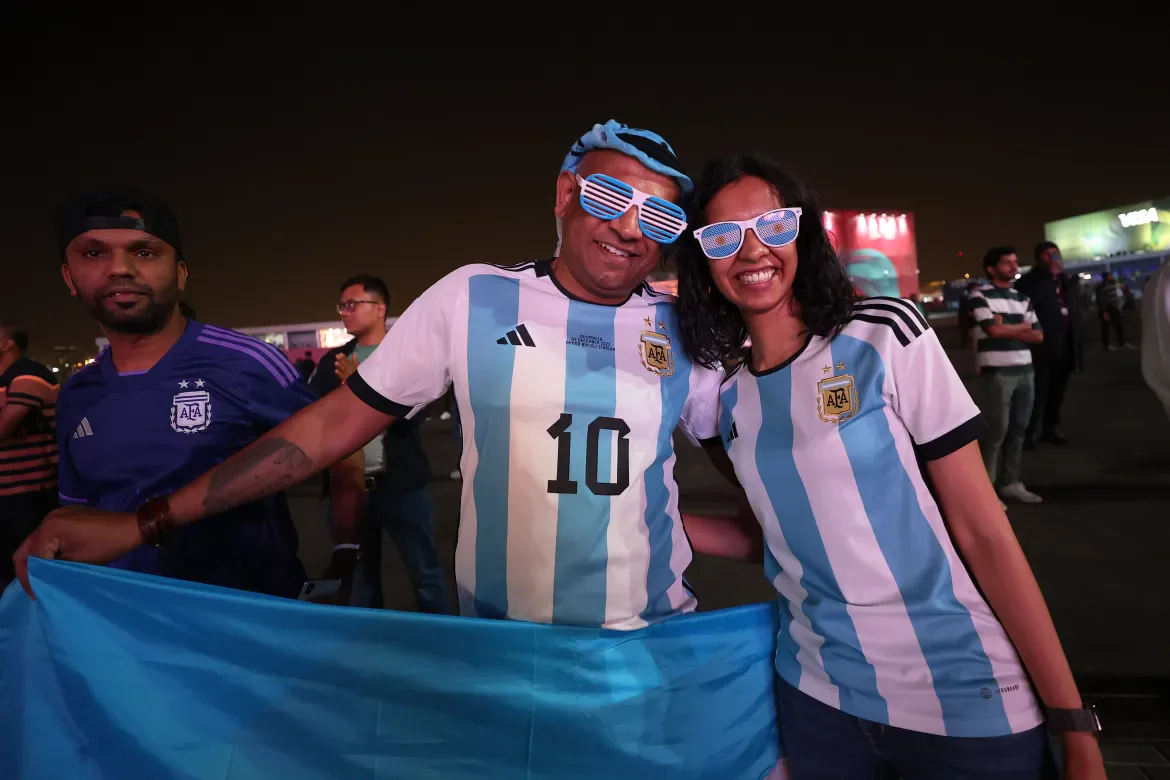
Daytime kick-offs across the southern US can hit 35°C+ with high humidity. Player-fit jerseys with engineered ventilation are a real upgrade in those conditions — the lighter fabric and engineered mesh panels make a meaningful difference. For evening matches in Toronto, San Francisco, or any Mexican venue at altitude, pack a long-sleeve training top: temperatures drop quickly after sunset.
If you're attending multiple matches, two shirts is the minimum — one to wear and one drying after laundry. A breathable cap and a small rain shell cover the rest of the practical wardrobe.