Style · 7 min read
Sprezzatura on the Terraces: How Italian Football Shaped Streetwear
From Casuals to the Curva — how the Italian relationship between fashion and football reshaped global menswear.
Futbol Shop Editorial · March 20, 2026
No country has woven football and fashion together as completely as Italy. Where English football-fashion crossover has tended to focus on terrace culture and the Casuals movement of the 1980s, the Italian version is older, broader, and more deeply embedded in mainstream menswear. The result is a relationship between the curva and the catwalk that has quietly shaped how men dress globally for decades.
The post-war foundation
Italian menswear's modern identity was built in the post-war decades — the rise of Brioni, Kiton, the Florentine tailoring tradition, the broader cultural confidence of the Italian economic miracle. Football was woven into this from the start. The major Serie A clubs were owned by the same industrial families — Agnelli at Juventus, Berlusconi at Milan, Moratti at Inter — that drove the broader cultural and commercial life of the country.
The result was a footballing culture in which dressing well on match day was not subcultural but mainstream. Walk into the San Siro or the old Stadio Comunale in Turin in the 1970s and you would see overcoats, knitwear, polished leather shoes — the same clothes the supporters wore to work, just slightly elevated for the occasion.
The Paninaro era
The 1980s produced the Paninaro movement — middle-class Milanese teenagers who built an identity around specific brands (Moncler, Stone Island, Timberland), American fast food, and the city's emerging fashion scene. The aesthetic crossed quickly into the football terraces, where Stone Island in particular became the dominant outerwear brand for organised supporter groups.
The Stone Island association has now become globally visible — the brand's compass-rose patch is recognised as much for its football-cultural meaning as for its fashion provenance. What started as a Paninaro signal in 1980s Milan now appears on every rapper's stage outfit and every grime artist's video shoot.
The Casuals cross-pollination
England's Casuals movement of the late 1970s and 1980s drew partly on Italian fashion brought back by supporters travelling to European matches. Sergio Tacchini, Fila, Ellesse — Italian sportswear became the visual language of English terrace culture in a way that has continued to shape British streetwear for forty years.
The traffic ran in both directions. Italian supporters absorbed elements of English terrace culture in the same period, particularly the more organised banner-and-tifo culture that had previously been less developed in Italy than in England or South America.
The modern crossover
Today, the football-fashion relationship in Italy is more commercial and more visible than ever. Major fashion houses produce capsule collections in collaboration with Italian clubs — Gucci with Juventus, Armani with Milan — and these collections are marketed as much to fashion buyers as to football supporters.
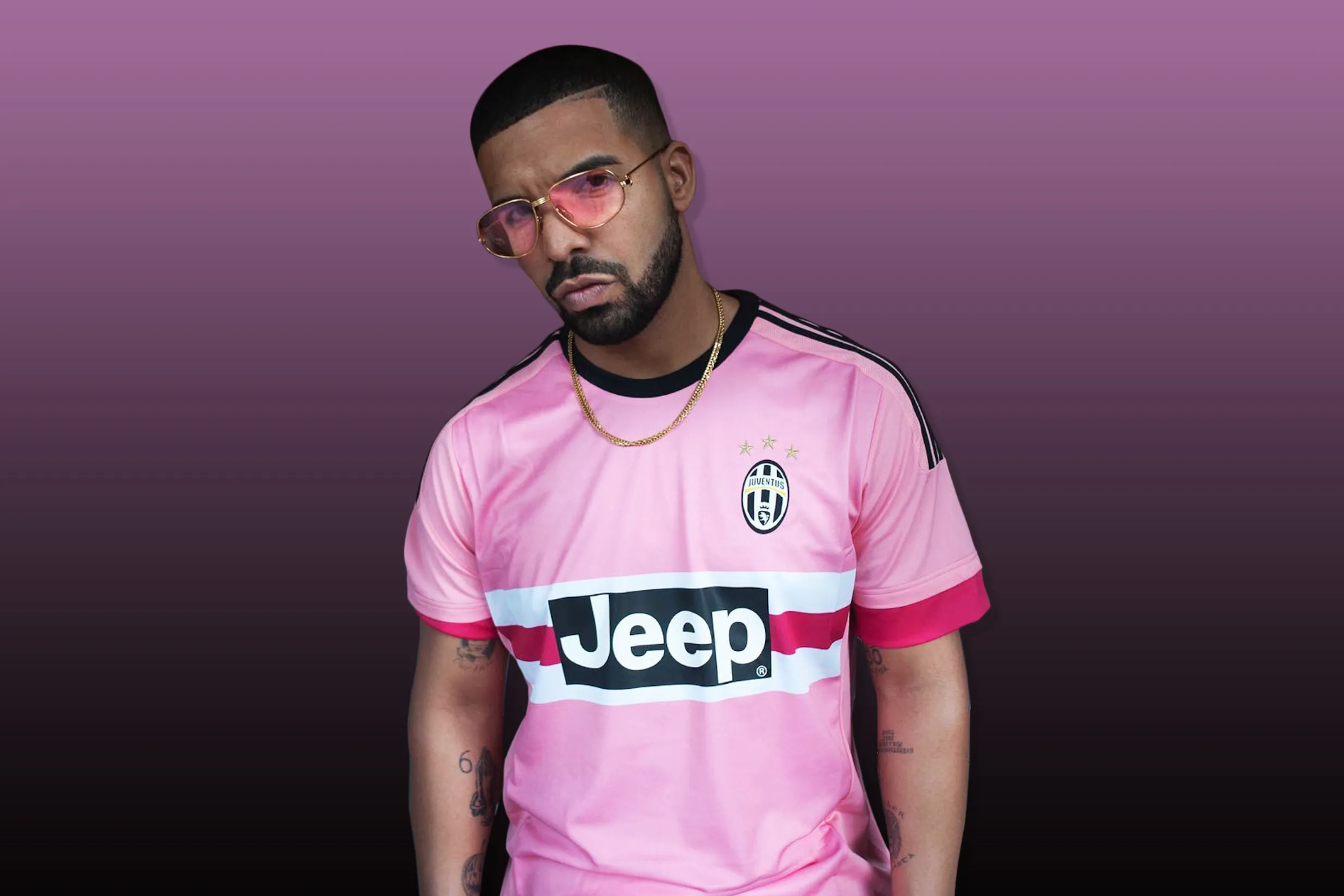
The shirts themselves have absorbed the influence. Italian club kits in the last decade have leaned more confidently into design risk than most other European leagues. AC Milan's third kits in particular have repeatedly produced designs that work as standalone fashion pieces — items you might wear out without anyone necessarily knowing you'd bought a football shirt.
What to take from it
The Italian model offers a different answer to the question of how football clothing should look off the pitch. Where English supporter culture has historically separated match-day wear from broader wardrobes, the Italian approach treats them as part of the same project — clothes you can wear to a match and to dinner without needing to change.
If you're building a wardrobe around a football identity, the Italian template suggests a few principles: invest in outerwear (a good Stone Island or vintage 1990s windcheater outlasts a half-dozen graphic tees), favour shirts that work as standalone pieces (Italian club third kits, retro reissues with low sponsor presence), and pay attention to footwear in a way English football culture has historically neglected.
Browse our Serie A and retro collections for shirts that fit comfortably into a wider wardrobe, not just a match-day rotation.