Culture · 8 min read
How MLS Quietly Became One of the World's Most Interesting Leagues
Decades of being dismissed, then a decade of careful work — Major League Soccer's transformation explained.
Futbol Shop Editorial · April 12, 2026
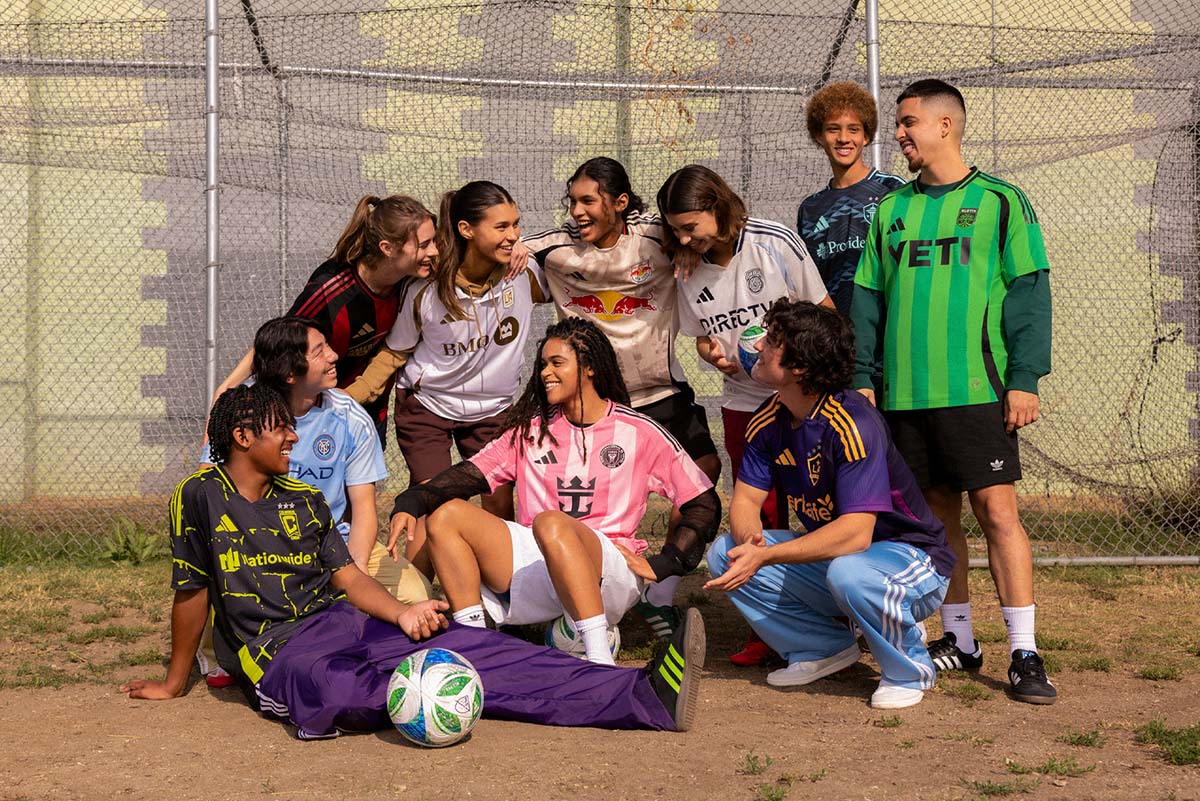
For most of its first twenty years, Major League Soccer was football's afterthought league — semi-serious, financially fragile, and stylistically conservative in ways that didn't translate well to the international audience. That description is now several years out of date, and the league's transformation from punchline to genuinely interesting product is one of the more underappreciated stories in modern football.
The structural changes
The shift began with infrastructure. Where MLS clubs once played in NFL stadiums in front of half-empty crowds, the last decade has seen nearly every franchise build a soccer-specific stadium — typically 20,000-30,000 seats, designed for atmosphere first and capacity second. The result is a match-day experience that finally compares favourably to a mid-table European venue rather than a school exhibition.
The Designated Player rule, often discussed in terms of Beckham, Henry, and now Messi, has had a more nuanced effect than the headlines suggest. The marquee signings draw attention, but the deeper effect has been the freedom for clubs to add a small number of high-quality players around a domestic core, raising the technical floor of the league without breaking the salary structure.
The supporter culture
What changed most visibly is the supporter culture. The Pacific Northwest derbies — Seattle, Portland, Vancouver — produce atmospheres that can hold their own against any rivalry in world football. Cincinnati's expansion supporter base built one of the loudest single-stadium ends in the league within five years of franchise launch. Even traditionally quieter markets like Salt Lake City and Kansas City have produced organised, sustained supporter sections that bear no resemblance to the sterile early-2000s MLS.
Much of this owes to the supporter groups themselves rather than club marketing. The Emerald City Supporters in Seattle, the Timbers Army in Portland, La Barra Brava in DC — these groups built their cultures from European and South American models and have produced a recognisably American take on terrace culture.
The football itself
The on-field product has improved sharply in the last five years. The pace of the league remains high — sometimes too high, sacrificing technical control for end-to-end transitions — but the technical level of the average player has risen meaningfully. Young South American talent increasingly views MLS as a developmental step before a European move, and the league's ability to attract late-career European stars has cycled through a steady series of marquee signings.
Tactically, MLS has produced some genuinely innovative coaches. Several of the league's leading managers have refined a high-press, transition-heavy style that takes advantage of the league's pace and the relative weakness of mid-block defending. The result is a league that often produces better football than its international reputation suggests.
The expansion question
MLS now sits at twenty-nine teams with continued expansion under discussion. There are reasonable concerns about whether the talent pool is deep enough to maintain quality across a thirty-plus team league, and the expansion fees have become eye-watering — recent franchises have paid over $500 million for entry. The financial logic of expansion has occasionally outpaced the football logic.
The league's response has been to invest more heavily in the academy systems and the second-division MLS Next Pro feeder structure, attempting to build the domestic talent pipeline that the league's growth requires. This investment is recent enough that its effects are still difficult to measure.
The 2026 World Cup as inflection point
Hosting (with Canada and Mexico) the 2026 World Cup is the most consequential thing that has ever happened to American soccer culture. The tournament will bring sustained casual attention to the sport in a way that no Premier League broadcast deal has managed, and the eight months following the final will likely produce the largest single-cycle expansion of new MLS supporters in the league's history.
Whether the league converts that attention into long-term cultural infrastructure is the open question. The structural pieces — the stadiums, the supporter groups, the Designated Player flexibility, the youth pipeline — are now in place. The next five years will reveal what kind of league American soccer has actually built.