Culture · 9 min read
Five Rivalries That Defined Modern Football
From El Clásico to Boca-River, the matches that shaped how the global game is played, watched, and worn.
Futbol Shop Editorial · January 28, 2026
Football is a sport of relationships — between players and clubs, between supporters and shirts, and between the great rival institutions whose mutual dislike has shaped how the game is played and watched. The five rivalries below are not the only ones that matter, but each has produced a body of football and a culture of support that has rippled outward across the sport.
1. El Clásico — Real Madrid vs Barcelona
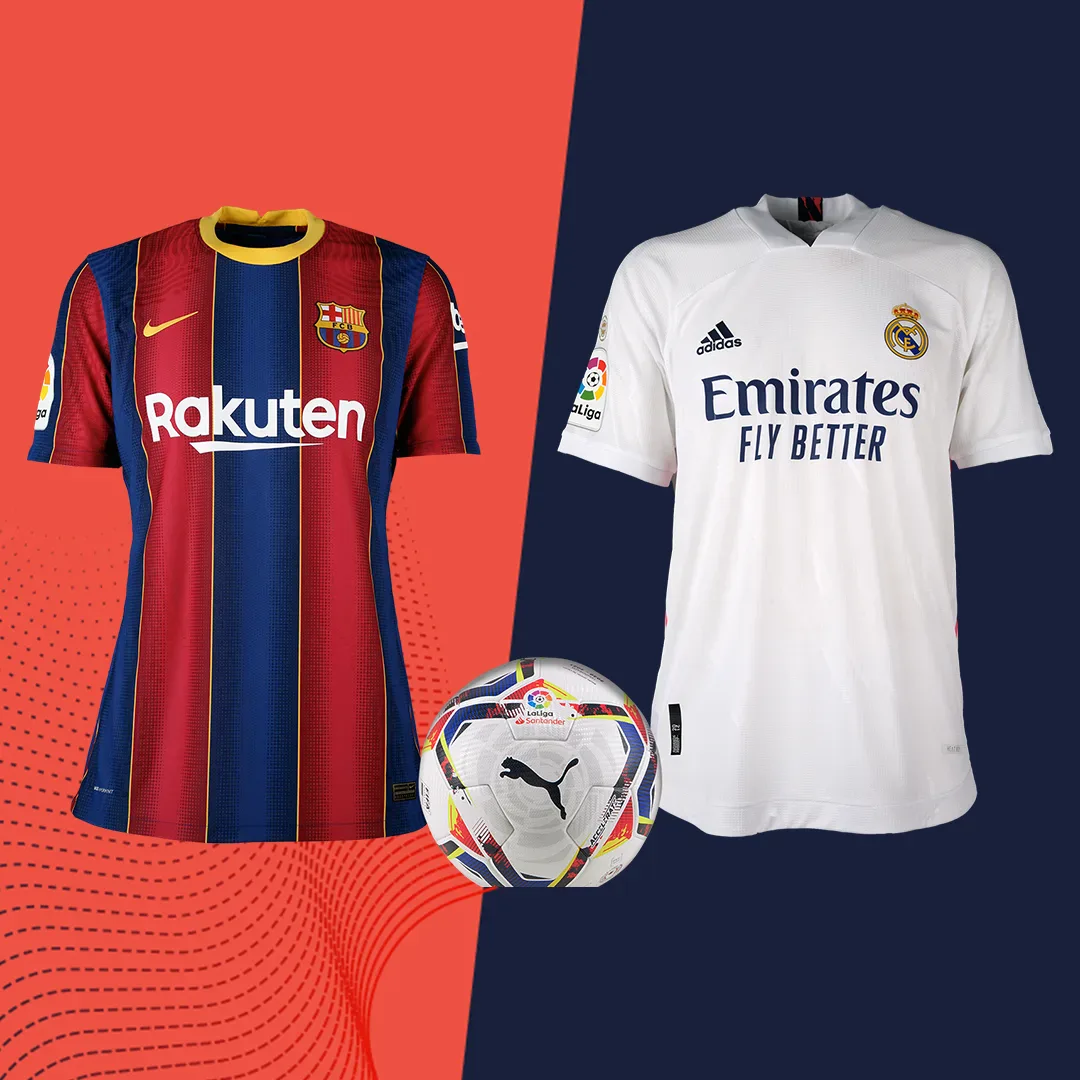
The most-watched club fixture on earth, El Clásico is also one of the most politically loaded. Madrid's white shirt and Barcelona's blaugrana stripes carry centuries of regional and political identity in addition to their sporting weight. The matches themselves have produced some of the highest-quality football of the modern era — the Guardiola-Mourinho cycle of 2010-2013 in particular reset what tactical sophistication looked like at the highest level.
Beyond the football, El Clásico has been the engine of the global jersey market. The Madrid white and Barcelona stripes are the two most recognised club kits on earth, and the matches drive the seasonal release calendars for both clubs.
2. Boca Juniors vs River Plate — the Superclásico
Buenos Aires's two giants share a city, a league, and a mutual contempt that has produced some of the loudest football atmospheres ever recorded. La Bombonera, Boca's home ground, physically vibrates during a Superclásico — the steepness of the stands and the density of supporters create a sound wall that has to be experienced to be believed.
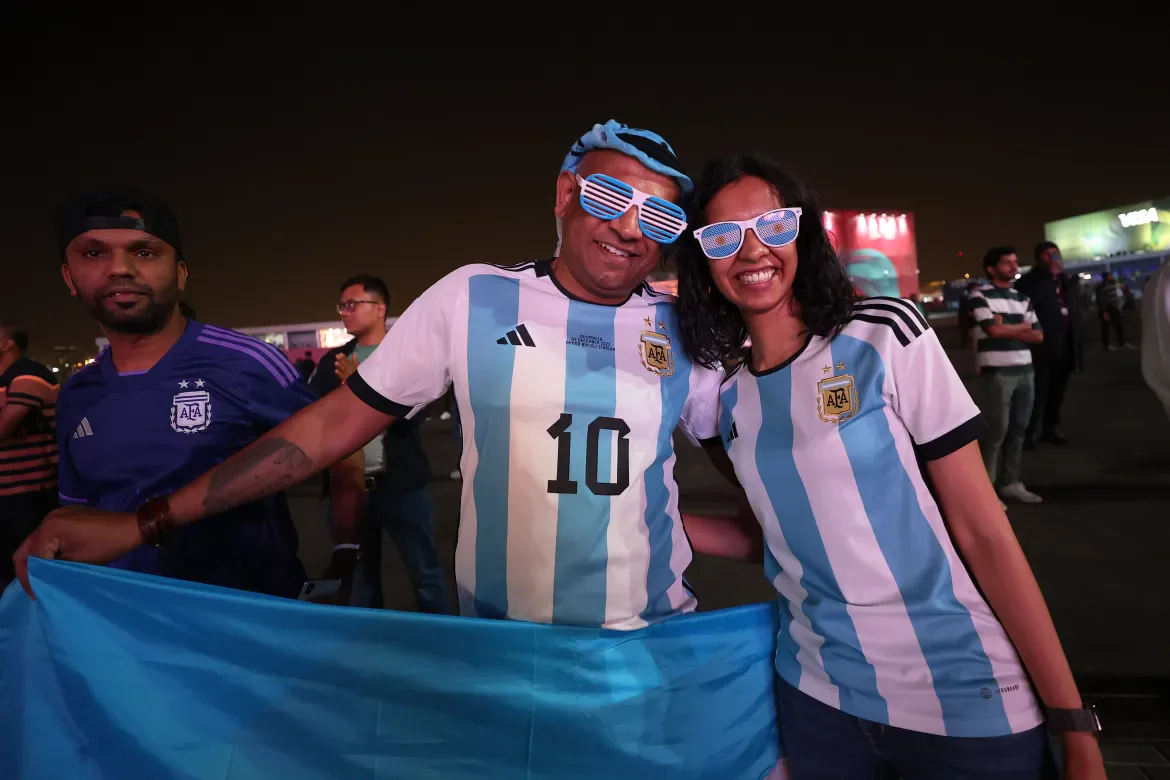
Boca's blue and gold and River's white-with-red-sash are among the most iconic club kits in South American football. Both have reissued classic templates in recent years, and the originals from the 1980s and 1990s remain among the most sought-after vintage shirts on the market.
3. Manchester United vs Liverpool
England's two most decorated clubs, separated by 35 miles and a fundamentally different relationship to football's commercial era. United's run of dominance under Ferguson coincided with Liverpool's longest title drought; Klopp's Liverpool reversed the dynamic. The fixture has rarely produced consistently great football, but it has produced consistently great atmosphere.
Both clubs have used the rivalry to drive shirt sales globally, and both have produced standout retro releases in the last five years — United's 1999 treble-winning home shirt and Liverpool's 1989 Candy-sponsor home shirt are perennial bestsellers in our retro collection.
4. Inter vs Milan — the Derby della Madonnina
Two clubs that share a stadium — the San Siro — and split a city's loyalty almost evenly. The derby has historically tilted toward whichever club is in better form, but it has produced some of the most beautiful football of the European cycle, particularly during the late-2000s Inter team that won the 2010 Champions League.
Both kits — Milan's red and black stripes, Inter's blue and black — work as well off the pitch as on it, and both clubs have built genuine streetwear-adjacent identities around their crests.
5. Celtic vs Rangers — the Old Firm
Glasgow's two clubs are separated by less than three miles and a sectarian divide that predates football itself. The Old Firm is the most intense rivalry in British football and one of the most charged in the world. The football quality has fluctuated wildly with the financial fortunes of the clubs, but the atmosphere has remained constant.
Both kits — Celtic's green and white hoops, Rangers' royal blue — are among the most distinctive in European football. The hoops in particular are one of the few designs that has remained essentially unchanged for over a century.
What rivalries do for the global game
Great rivalries are how casual football fans become committed ones. They give the sport a narrative arc — heroes, villains, redemption, revenge — that league tables and trophies alone don't provide. They also drive the secondary economy of football: the shirt sales, the documentary series, the tourism around marquee fixtures, the entire cultural apparatus that sits around the matches themselves.
If you've never attended a major derby in person, it's worth treating it as a bucket-list experience. The atmosphere doesn't translate to television; you have to be in the stadium to understand what football can sound like at full volume.