Travel · 6 min read
What to Bring to Your First Football Match
A practical packing list for first-time stadium-goers — tested across thirty-odd matches in eight countries.
Futbol Shop Editorial · March 18, 2026
Television does almost everything well, except convey what a football stadium actually feels like. Your first live match is almost always a sensory overwhelm — the noise, the smell of the concourses, the way the crowd moves as a single body during corner kicks. A small amount of preparation makes the difference between an enjoyable first experience and a stressful one.
What to wear
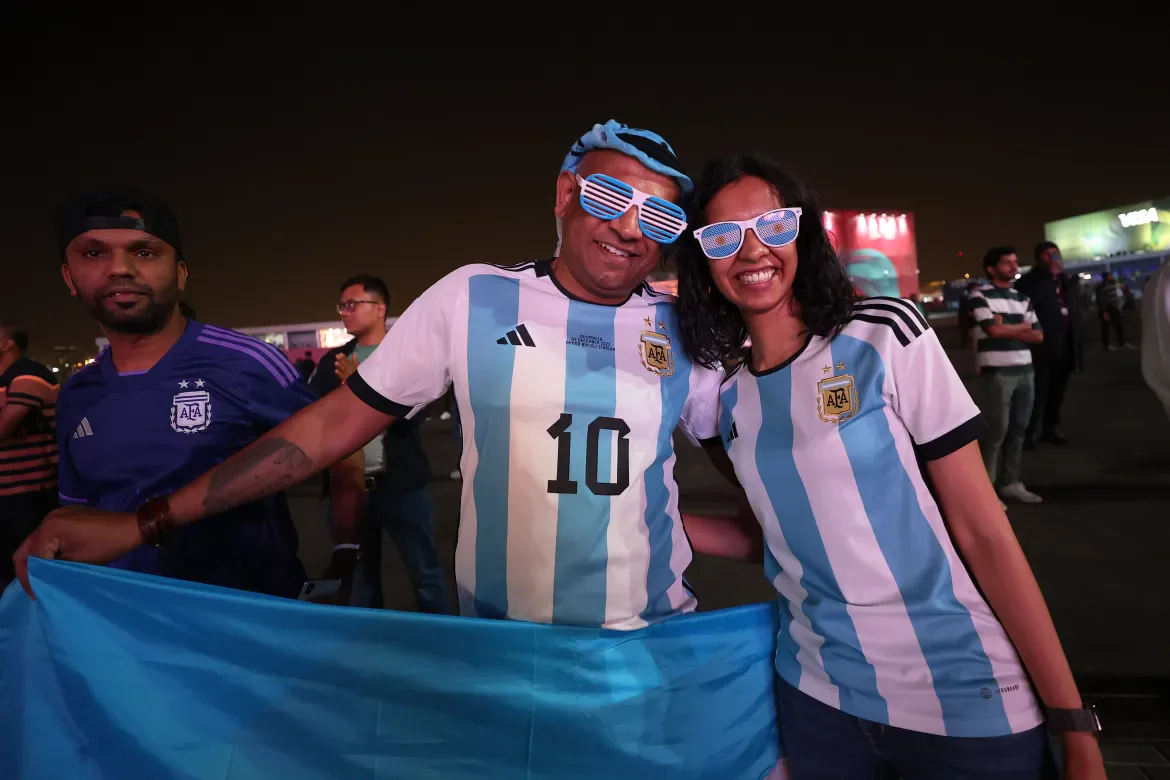
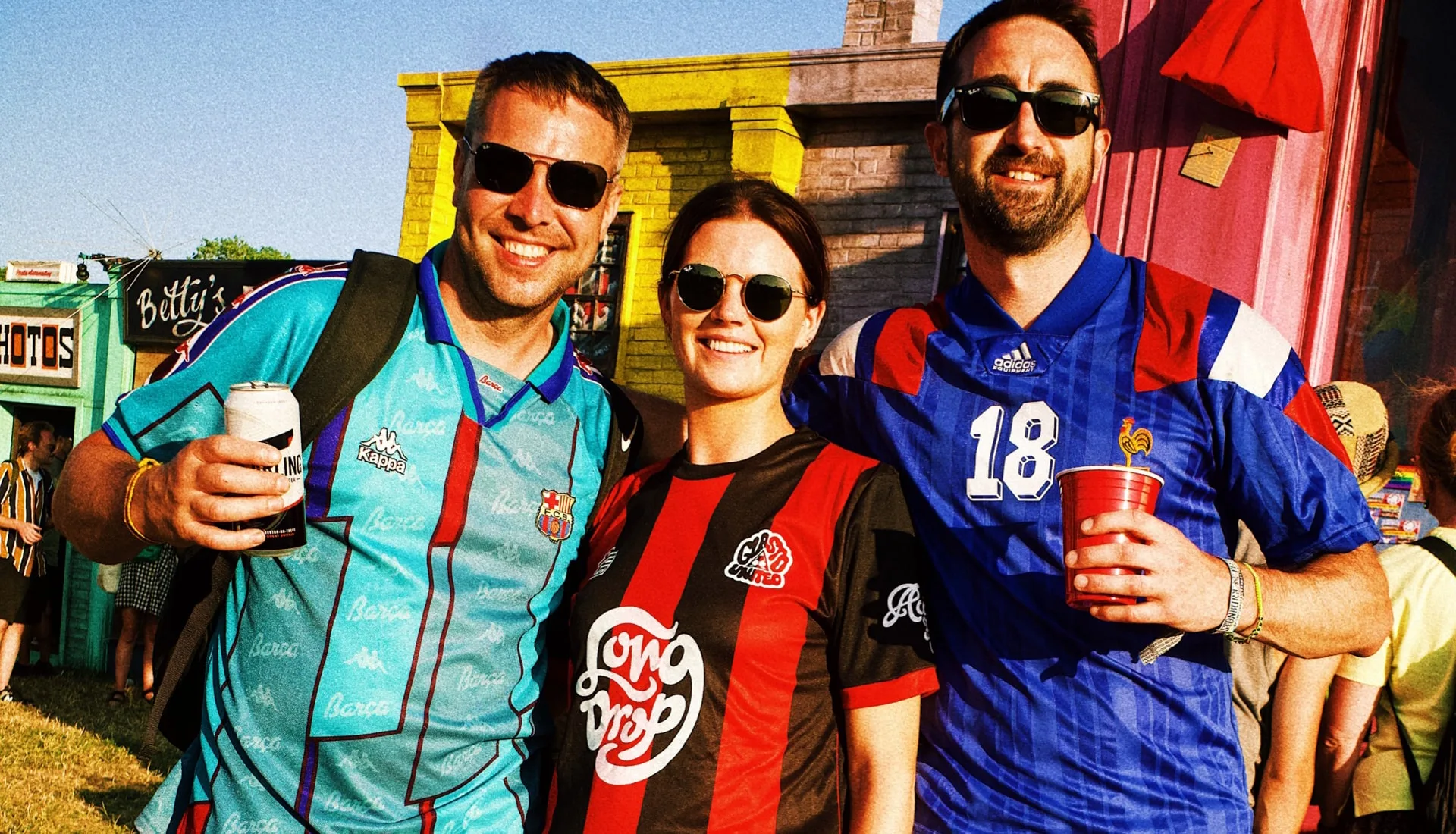
A team shirt is optional but signals your allegiance and tends to make supporters around you friendlier. Layer underneath — most stadiums get colder than you expect, particularly evening kick-offs in spring or autumn. Comfortable shoes are essential; you'll likely walk further from your transit stop to the stadium and back than you anticipate.
Avoid wearing the away team's colours unless you're sitting in the away section. This is more important in some countries (Italy, Argentina, parts of England) than others, but the safe default is to dress neutrally if you're not in the home end.
What to bring
- Photo ID — required at most major venues for ticket verification
- A small backpack or transparent bag — many stadiums restrict bag size
- A portable phone charger — networks get congested and your phone dies fast
- A small amount of cash — concessions and bars at some grounds are cash-preferred
- Earplugs if you're sound-sensitive — some sections genuinely exceed safe decibel levels
- A light rain shell — even at covered stadiums, the walk in and out is exposed
What NOT to bring
- Large bags or backpacks — most grounds will deny entry
- Glass containers, cans, or any outside drink
- Professional cameras with detachable lenses (smaller compacts and phones are fine)
- Flares, smoke devices, or anything that could be classified as pyrotechnic
- Banners or flags larger than your local rules permit (varies by venue)
Arriving at the stadium
Arrive at least an hour before kick-off. Security queues at major matches can take 30-45 minutes, and you'll want time to navigate to your seat, find a drink, and absorb the pre-match atmosphere. The hour before kick-off is often the best part of the experience — the stadium fills, the supporter songs build, and the players warm up in front of you.
During the match
Stay seated unless your section is standing. Move with the crowd — if everyone around you stands for a chant, stand with them. Don't try to film the entire match on your phone; you'll experience less and the footage will look worse than the broadcast anyway.
If you don't speak the local language, learning the names of the home team's main chants in advance is one of the small gestures that makes a huge difference to how you're received by the supporters around you.
After the final whistle
Don't rush for the exits. The crush at the gates and the surrounding transit is invariably worse than waiting fifteen minutes in your seat. Many of the best post-match conversations happen in the bars and cafes immediately around the ground in the half-hour after the final whistle — a part of the experience that television entirely misses.