Style · 7 min read
What Makes a Jersey Iconic? Six Designs That Endure
Some shirts get reissued every five years and still sell out. What separates a great kit from a permanent piece of football culture?
Futbol Shop Editorial · February 26, 2026
Most football shirts have a working life of about three years. They're released, they're worn for a season, they're replaced by the next cycle's design, and they slowly fade out of public consciousness. A small minority, though — perhaps one in fifty — escape this cycle entirely. They get reissued every few years, they show up in fashion editorials a decade after their original release, and they continue to outsell most current shirts on the market.
What separates these enduring designs from the merely good ones? After looking at the shirts that have most consistently survived this filter, six recurring qualities emerge.
1. Clarity of identity
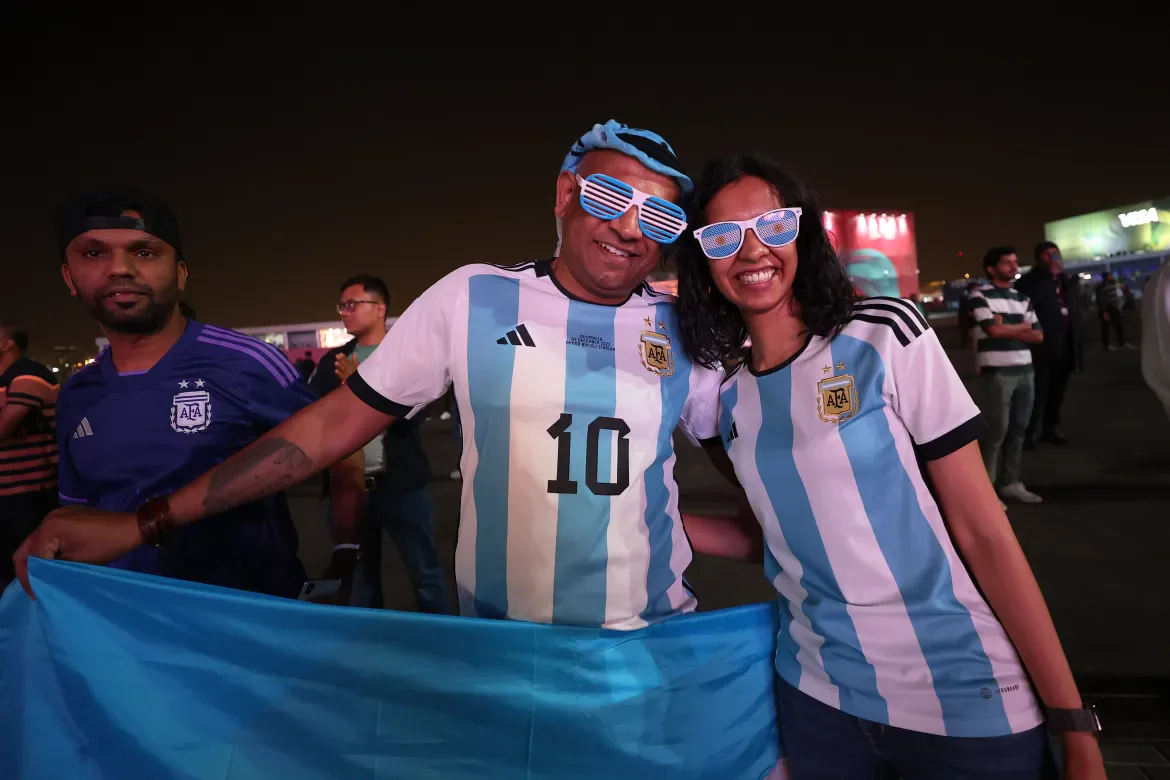
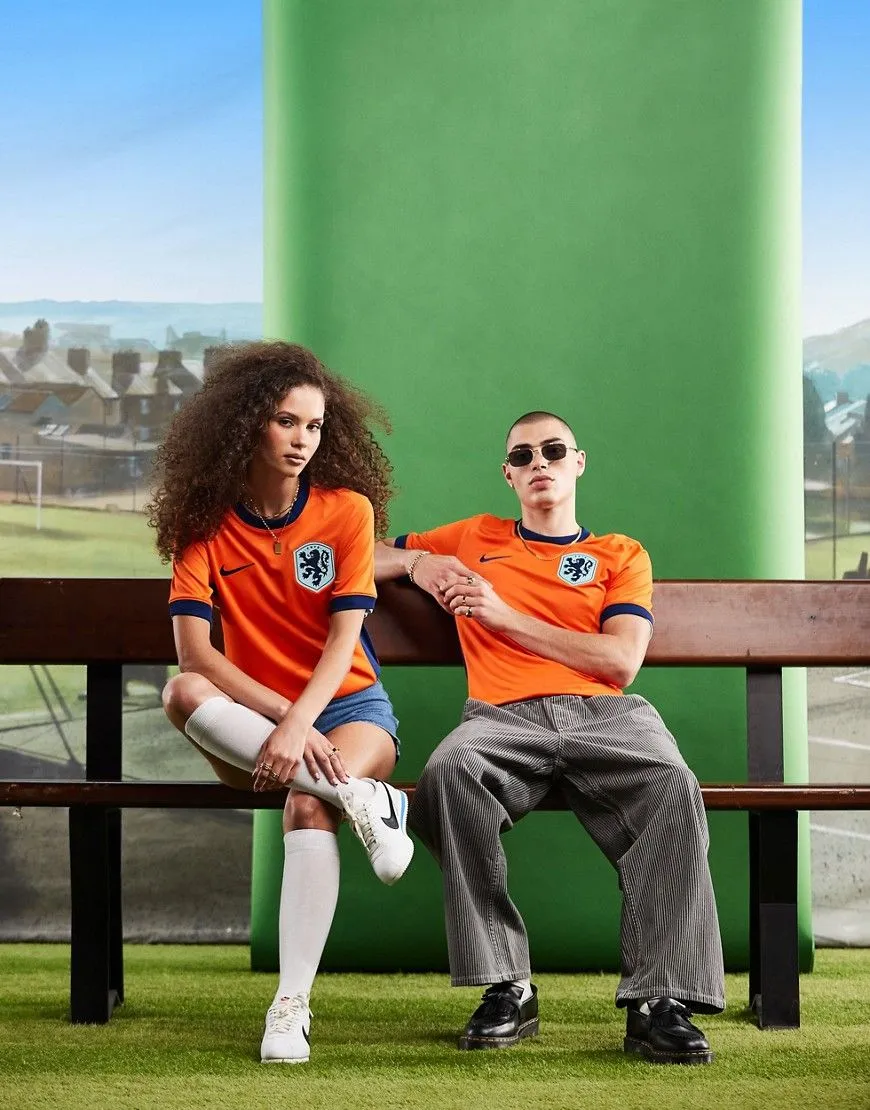
An iconic jersey can be identified at a glance, even on someone walking past. The Brazil 1970 yellow, the Netherlands 1988 orange, the Argentina sky-blue stripes — none of them require the crest to be visible to know which team is being worn. Designs that try to be clever about their colour identity rarely make this filter.
2. Restraint with the secondary colour
The shirts that endure tend to use one dominant colour and one supporting trim. The 1990 West Germany home — white with the tricolour shoulder band — works because the trim is decisive but minimal. Shirts that use three or four colours in equal weight tend to feel dated within a single cycle.
3. A confident, simple silhouette
Iconic shirts have a clean line. The collar treatment is often the most distinctive element, but the rest of the shirt sits quietly. The Nigeria 1996 home is a useful example — the green-and-white pattern is loud, but the cut is straightforward and the collar is a clean v-neck. The shirt reads as confident rather than busy.
4. A specific historical moment
Most enduring shirts are tied to a specific event. The Manchester United 1999 treble shirt, the Argentina 1986 World Cup home, the Liverpool 2005 Istanbul shirt — these designs are partly carried by the football that was played in them. A great design without a great moment can still endure, but it has to work harder.
5. The right manufacturer at the right time
Iconic shirts often coincide with a manufacturer at the peak of its design confidence. Adidas's late-1980s and early-1990s federation shirts share a visual language that has aged remarkably well. Nike's late-1990s and early-2000s federation work has a similar coherence. Manufacturers cycling through identity crises tend to produce shirts that don't make this list.
6. They look correct on a real body
Finally, and most overlooked: iconic shirts photograph well on people who aren't professional athletes. The Italy 1994 home shirt, the France 1998 home, the Brazil 1970 — all of them sit beautifully on a wide range of body types. Shirts that only work on a specific athletic build don't tend to endure in the public consciousness, regardless of how good they look on the pitch.
The shirts that have already passed the filter
If you're starting a collection oriented around enduring designs, the safe bets are well-documented. Brazil 1970 home, Argentina 1986 home, West Germany 1990 home, Netherlands 1988 home, Nigeria 1996 home, France 1998 home, AC Milan 1989 home, Manchester United 1999 home, Argentina 1994 (Maradona's last World Cup), and Italy 1994 home form a foundational set that would be at home in any serious collection.
The shirts likely to join them
Some predictions, made cautiously: Argentina 2022 (the third star shirt), Croatia 2018 home, Morocco 2022 home, and Argentina 2026 home all have the markers of designs that will continue to be reissued and re-sold a decade from now. Watch this list age over time.
Browse our retro collection for current reissues of most of the shirts mentioned above.